
A rooftop-solar discussion often combines two different concerns: “Will panels generate during the rainy season?” and “Will the house have power if the grid goes down?” Separating them makes the system requirement much clearer.
Look at changing generation across the year.
Solar output varies with the available sunlight. Clouds, rain, shade and the time of year can change production; a bright-day figure is not a guarantee for every day of the monsoon.
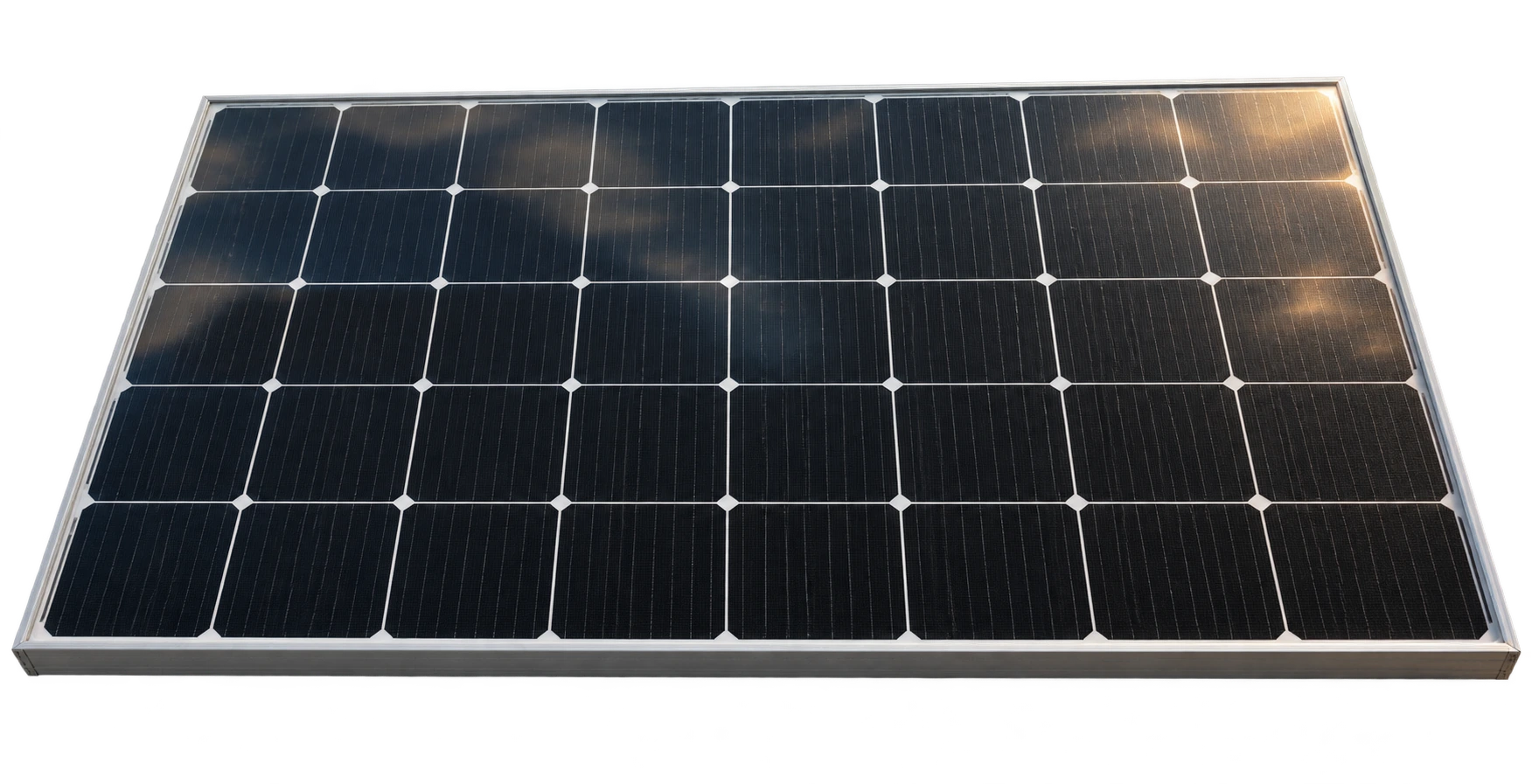
Ask for an estimate that shows the monthly pattern expected at your site. Compare that with household use across the year. A photograph of a sunny installation or a large headline number does not explain seasonal performance.
After installation, monitoring is useful for noticing changes. If the system behaves unexpectedly, ask the service team to review it rather than drawing conclusions from one cloudy day.
Understand what happens when the grid fails.
Standard grid-connected solar normally switches off during a power cut for safety. Daylight on the panels does not, by itself, mean that the house can remain powered.
Outage operation needs a system designed for that purpose, including suitable inverter operation and compatible storage where required. Ask the installer to explain what the proposed system will do during a real outage and which circuits will be supported.
Name the appliances that actually need backup.
Start with a short essential-load list. You might want lights, fans, refrigeration or another specific requirement. The list should reflect the home’s priorities, not an assumption that every appliance will operate together.
Ask the proposal to separate power capability from stored energy. In simple terms, kW describes power at a moment; kWh describes an amount of energy. Both matter when discussing a battery’s role. Duration also depends on the load being used and the usable stored energy.
Do not accept “battery ready” as the whole answer. Ask what equipment, configuration and installation work are included now, and what would be needed later.
Ask for an operating explanation, not just a product list.
- Does the proposed inverter support the intended outage mode?
- Which appliances or circuits are included in backup?
- What happens when the battery reaches its operating limit?
- What monitoring and service support are included?
- Which written product and installation warranties apply?
Ask for the final arrangement to be documented. A demonstration and handover explanation are more useful than a vague statement that a system works in all conditions.
Use the site visit to resolve the uncertainty.
Explain the roof, normal electricity use and the particular problem you want to solve. If seasonal generation is the concern, ask about the energy estimate. If outages are the concern, ask about the backup design. These questions can lead to different equipment and budgets.
Keep electrical inspection, fault finding and roof access with qualified personnel. The homeowner’s task is to describe the requirement and understand the proposal, not to alter wiring or test an improvised outage setup.
Explore Tata rooftop solar for homes, or read how to prepare your electricity-use information before speaking with Hiranya Solar Power.
Sources and further reading
- US Department of Energy — solar and resilience basics
- US Department of Energy — solar energy and storage basics
- Tata Power Solaroof — grid-connected and battery-based system information
Research checked on 12 November 2026. Educational guidance supports a site-specific discussion; equipment suitability and applicable utility requirements must be confirmed for the installation.